






Foods That Boost Your Immune System Naturally
It’s no secret that you are what you eat. Research over the years has shown that a well-balanced diet filled with nutritious foods is your strongest defense against chronic and dangerous conditions such as heart disease, obesity, and diabetes.
But did you know the foods you eat can also help you fight illnesses such as the flu? There are certain foods that are known immune system boosters, they help your body fight disease.
What are superfoods?
'Superfoods' can be described as kinds of foods can impact your well-being and help your body be at its best by reinforcing your immune system. But it’s also important to remember that they cannot cure or prevent disease, other lifestyle and genetic factors must be considered.

Build Meals Around Superfoods
Building meals around nutrient-dense superfoods like salmon, eggs, blueberries, spinach, and broccoli provides a simple way to maximize vitamins, minerals, and healthy fats in your daily diet for a longer, healthier life.

Mushrooms
Mushrooms are packed with nutrients that help support your immune system. They’re a source of selenium and B vitamins like niacin and riboflavin, which help your body produce energy and keep immune cells working properly to help fight infections.
The healthiest mushrooms are: Oyster, Shiitake, Maitake,
Button and Lion's Mane mushrooms.

Fatty Fish
Eat more omega-3 fatty acids to keep your immune system in good shape. Fatty fish are a good source of this anti-inflammatory fat.
So consider eating: AlbacoreTuna, Herring, Mackerel, Salmon, Sardines and Trout. Low-grade or chronic inflammation can suppress immune function and increase the risk of disease, this essential fat can support the function of your immune cells.

Citrus Fruits
Most citrus fruits are high in vitamin C. Oranges, grapefruits, lemons, limes and other citrus fruits have nutrients that help support immune system, heart and gut health. Vitamin C may shorten infections by promoting immune cell functions.
*Consider adding fresh citrus (lemon, lime or orange) slices in your water.

Fresh Ginger
A mainstay in Asian and Indian cuisine, the spice has also been used for centuries in Eastern medicine. And that’s for a good reason — ginger contains vitamin C, magnesium and potassium. Ginger has many health benefits, helps with nausea, has anti-inflammatory and antioxidant effects.

Fresh Turmeric
This spice has the ability to boost the immune system and act as an antiviral.
That’s due to the spice’s level of curcumin, which helps lessen inflammation and fights free radicals. Consider an anti-inflammatory diet based on eating fruits and vegetables, whole grains and lean proteins.

Red Bellpepper
Bell peppers are nutrient-dense. High in vitamins and minerals, and also a rich source of beta carotene.
Fully ripe red peppers offer more deep nutrition than green or yellow types. Vitamin C: One medium red pepper gives you over 150% of your daily value, which helps your immune system and skin.

Eggs
Eggs are an excellent source of antioxidants as well as high‐quality proteins. Other vitamins included in eggs help to maintain strong vision. Also, the antioxidants lutein and zeaxanthin in eggs help prevent age‐related blindness caused by macular degeneration.

Garlic
Garlic comes with plenty of health benefits, like improving your heart health, but it’s also one of the foods that strengthen your immune system. Garlic boost's your immune function thanks to allicin, which is linked to supporting white blood cells that fight the flu or cold viruses.

Spinach
The leafy green is an excellent source of vitamin A (especially beta-carotene), which is known as an infection-fighter. But spinach also contains a good dose of folate, which may help bolster your immune system. And that’s really important because oxidative stress is linked to a number of chronic diseases, like cancer, heart disease, Alzheimer’s disease and more.

Berries
Blueberries are one of the healthiest fruits for you. Studies show that they help protect against damage to your DNA, among other benefits.
They’re good sources of Vitamin C: boosts your immune system and supports other body functions. Manganese: supports brain health and promotes bone and muscle health. Vitamin K: helps your blood clot properly.

Onions
Onions are one of the most widely cultivated and consumed vegetables around the world.
Onions are a powerhouse due to their antioxidant, antibacterial, antiviral, antifungal, anticarcinogenic, anti‐inflammatory benefits. The flavorful additions to dishes are endless.

Brocolli
Broccoli is supercharged with vitamins and minerals. Packed with vitamins A, C, and E, as well as fiber and many other antioxidants, broccoli is one of the healthiest vegetables.
The key to keeping its power intact is to cook it as little as possible.

Pineapple
Pineapple is the only food known to contain bromelain, an enzyme that helps your skin and tissues heal. Bromelain produces substances that combat in pain and swelling. Consuming bromelain from pineapple might also help your skin heal after surgery or injury. The anti-inflammatory power in bromelain can help fight inflammation and may suppress the growth of certain tumors.

Papaya
Papaya is a nutrient-rich tropical fruit that supports immune health. A small papaya provides over 100% of your daily vitamin C requirement. Vitamin C is needed to produce collagen. Collagen is a protein that keeps your skin healthy and promotes wound healing. Papaya is rich in beta-carotene. Your body turns beta-carotene into vitamin A. Vitamin A is an antioxidant that supports immune function and protects against cell damage.

Herbal Tea
Flavonoids, a type of antioxidant, are abundant in both green and black teas. Both teas lower the risk of various diseases, reduces inflammation, and protects cells from harm.Teas have been shown to have potential therapeutic effects against cancer, cardiovascular disease, and inflammation. These compounds have been recognized for their ability to act as antioxidants and provide various health benefits.

Kiwi
Kiwis, like papayas, are rich in important nutrients such as potassium, vitamin C, carotenoids, dietary fiber, vitamin K, and antioxidants. The high levels of vitamin C and polyphenols found in kiwis have anti‐inflammatory effects that help to regulate the immune system and reduce the risk of flu. Further studies have also shown that golden kiwi can impact the immune system by regulating cells.
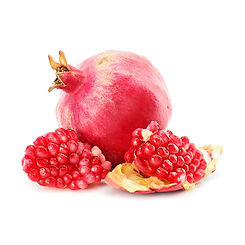
Pomegranate
Pomegranate juice has been found to suppress the development of dangerous germs such as E. coli.
It has also known to have antiviral properties, making it useful in fighting against viruses like flu. Pomegranate juice also can significantly boost the immune system.

Almonds
Almonds contain vitamin E, a powerful antioxidant, and as the nut also contains healthy fats, it helps vitamin E to be absorbed by your body. Like many other nuts, almonds are high in fat — but that’s not a bad thing. This is because they’re packed with healthy monounsaturated fat and have a positive impact on your heart health.

Avocado
Avocados also supply phytonutrients such as beta carotene - an antioxidant found to be protective against heart disease and some cancers - and lutein and zeaxanthin, important for maintaining eye health and lowering risk of age-related macular degeneration.
It also provides significant amounts of
fiber, potassium, folate, vitaminK,
vitamin E and magnesium.

Beets
Beets are one of the richest natural sources of dietary nitrates. Your body converts these nitrates into nitric oxide, a compound that relaxes and widens your blood vessels, which helps improve blood flow throughout your body. That improved circulation is one of the reasons beets are so well known for heart health

Dark Chocolate
Dark chocolate can help with cholesterol by decreasing LDL levels, which helps decrease the chances of plaque buildup in the arteries and may improve blood vessel function. Better blood flow is also good for cognition because you’re having more blood flow to the brain. Studies show, it may also decrease your chances of dementia if you have a routine amount of dark chocolate in your diet.

Olive Oil
Olive Oil is a potent anti-aging ingredient of the Mediterranean diet which has proved to be so beneficial in improving blood vessel function, and maintaining a healthy heart. It is rich in monounsaturated fats which help lower cholesterol levels. Extra virgin olive oil contains an anti-inflammatory compound, which may help people with arthritis.
Common Warning Signs of a Weak Immune System
-
Frequent infections: Getting sick with colds, sinus infections, or ear infections more often than usual, or taking a long time to get better.
-
Slow wound healing: Cuts, scrapes, or burns take a long time to close up and grow new skin.
-
Constant fatigue: Feeling very tired all the time even after sleeping well because your body works hard to fight hidden issues.
-
Stomach and bowel problems: Frequent diarrhea, gas, bloating, or cramps without a clear food cause.
-
Recurring skin trouble: Getting frequent cold sores, thrush, or other minor skin infections that keep coming back.
Key Takeaways:
As your immune system is your body’s defense against invaders like the flu, it pays to feed it well. The best immunity-enhancing foods, like fatty fish and citrus fruits, are typically available at the grocery store and are easy to work into meals and snacks.
There’s no doubt that a healthy diet improves your immunity to illness. What you put in your body is important for your overall health, including your immune system.
Other ways to boost the immune system naturally:
In addition to choosing healthy options for your diet, your immune system will also benefit from healthy lifestyle choices:
• Exercise regularly. Aim for 30 minutes a day five times a week and mix up your cardio and strength training.
• Don’t smoke. Quitting smoking is one of the best things you can do for your body. If you do smoke, there is support available to help you quit.
• Manage stress. Everyone faces stress in life. But when that stress becomes chronic, it can weaken your immune system. You can find ways to manage your stress and feel better mentally and physically.
• Alcohol in moderation only. It’s important to remember that alcohol is a depressant, a drug that has far-reaching effects on your body. If you drink, please do so in moderation.
• Manage your weight. Extra weight places stress on many systems within your body, including your immune system. Eating healthy is one of the best ways to manage your weight, and it will help keep you healthy by supporting your immune system with nutritious foods.
• Get proper sleep. Sleep is critical for a healthy life, and the CDC recommends seven to nine hours of sleep a night for healthy adults. Your sleep and the quality of that sleep can also impact your immune system.
